
Introduction
The digital marketing world is undergoing a massive transformation. With the rise of Freelance Digital Marketing Strategist In Nilgiris advanced technologies, shifting consumer behaviors, and increasing competition, the role of a digital marketer is no longer limited to running ads or managing social media pages. The future belongs to those who can adapt quickly, think creatively, and embrace innovation. Digital marketers must evolve alongside technology to stay relevant and effective.
The Rise of Artificial Intelligence
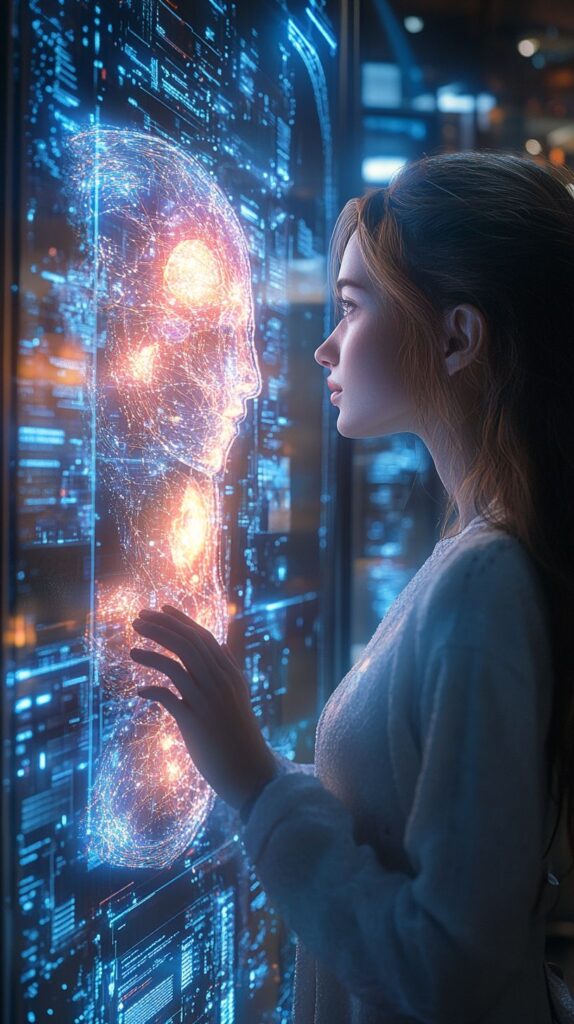
Artificial Intelligence (AI) is one of the most powerful forces shaping the future of digital marketing. From chatbots to predictive analytics, AI is helping marketers understand customer behavior at a deeper level. In the future, AI will handle tasks like data analysis, content recommendations, and even automated content creation.
Data Privacy and Consumer Trust
As digital marketing becomes more data-driven, concerns about privacy are growing. Governments are implementing stricter regulations, and consumers are becoming more aware of how their data is used. This shift means marketers must prioritize transparency and ethical practices.
Building trust will be essential. Instead of relying on intrusive ads, marketers will need to focus on permission-based marketing and genuine engagement. Brands that respect user privacy and communicate openly will have a competitive advantage.
Content Evolution and Personalization
Content remains at the heart of digital marketing, but its form is changing rapidly. Short videos, live streaming, interactive posts, and immersive experiences like augmented reality (AR) and virtual reality (VR) are becoming more popular.
Marketers will deliver highly tailored content based on user behavior, preferences, and real-time interactions. This level of personalization will make marketing more relevant and engaging.
Voice Search and Conversational Marketing
With the increasing use of voice assistants, voice search is becoming a significant factor in digital marketing. People are now searching in a more conversational way, using complete sentences instead of keywords.This trend requires marketers to optimize content for natural language and focus on answering specific user questions. Conversational marketing, including chatbots and messaging apps, will also play a bigger role in customer interaction.
The Shift in Social Media Strategy
The future will focus on building communities and fostering meaningful interactions. Users are looking for authenticity, not just polished advertisements. Influencer marketing will continue to grow, but with a shift toward micro-influencers who have strong connections with niche audiences. Engagement, trust, and relatability will matter more than sheer numbers.
Global Reach and Cultural Awareness
Digital marketing allows brands to reach global audiences instantly. However, this also requires an understanding of different cultures, languages, and consumer behaviors. Marketers must create culturally sensitive campaigns that resonate with diverse audiences. A message that works in one region may not be effective—or even appropriate—in another.
Conclusion
The future of digital marketing is dynamic and full of opportunities. While technology will continue to reshape the industry, human creativity and ethical responsibility will remain at its core. Digital marketers who embrace change, focus on building trust, and continuously improve their skills will thrive in this evolving environment. In the end, success in digital marketing will not just depend on tools and technology, but on the ability to connect with people in meaningful and authentic ways.